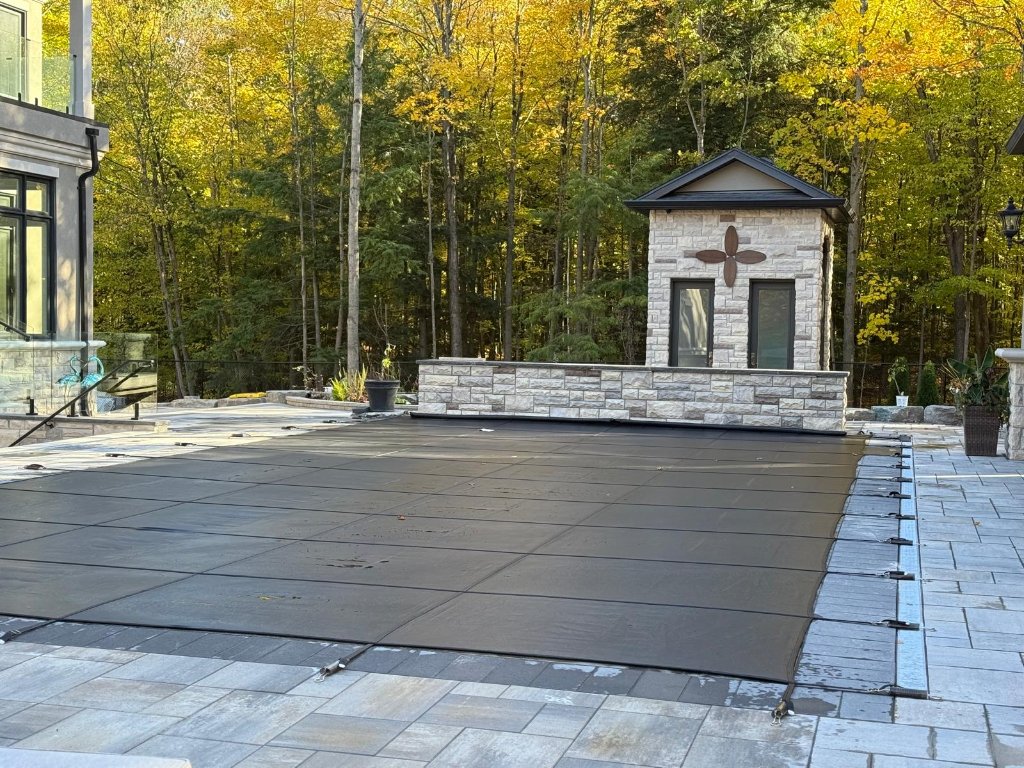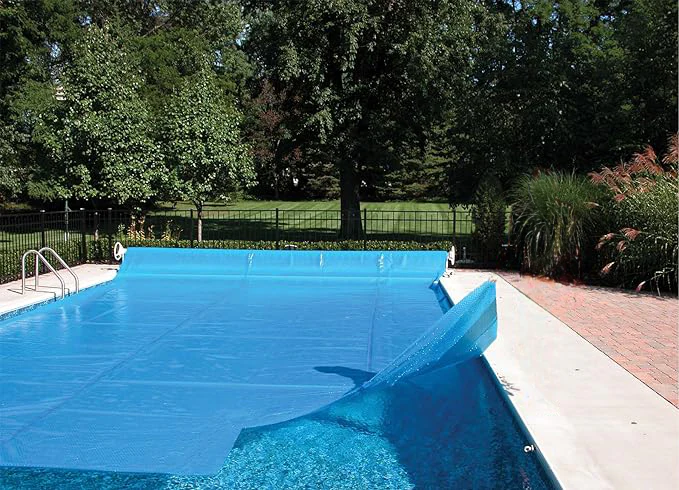
Automatic pool covers are a capital improvement, not just an expense. Here is how safety, energy savings, insurance, and buyer appeal combine into real property value.
Homeowners rarely think of a pool cover as a capital improvement, but an automatic system deserves to be evaluated that way. Unlike a solar blanket or a seasonal tarp, an automatic cover is built into the pool and deck, operates at the push of a button, and remains with the property when you sell. That changes the financial conversation from how much does it cost to what does it return. The answer depends on your market, your buyer pool, and how you weigh safety, energy savings, and lifestyle, but in most affluent suburbs the case is stronger than owners expect.
Resale value is the first place buyers look. Real estate agents consistently report that pools are a polarizing feature: families with young children love them, while safety-conscious buyers worry about them. An automatic cover reframes the pool from a liability into a controlled, family-friendly amenity. It is difficult to promise a specific dollar-for-dollar return, and appraisers vary in how they treat pool equipment, but a well-maintained automatic cover is a visible, tangible upgrade that helps a home stand out and can shorten time on market. In competitive neighborhoods, that differentiation is worth real money.
Insurance is an underappreciated financial lever. Many insurers offer discounts or preferred rates for pools equipped with safety barriers, and an automatic cover that meets ASTM F1346-91 is one of the strongest barriers available. Even where no formal discount exists, the reduced liability exposure can influence underwriting. Ask your broker specifically how a certified automatic cover affects your premium and coverage. Over a decade of ownership, a modest annual discount can offset a meaningful portion of maintenance costs, and the peace of mind is difficult to price.
Operating savings accumulate every season. An automatic cover dramatically reduces evaporation, which saves water and the chemicals that evaporate with it. It retains heat overnight, which cuts heating costs and extends the swimming season. Owners commonly report annual savings of $500 to $1,500 depending on pool size, energy source, and climate, with the largest gains in cold or windy regions and on pools with gas or heat-pump heaters. These savings do not appear on an appraisal, but they improve the owner's cash flow every year and make the home more economical to operate for the next buyer.
Lifestyle value is real value. An automatic cover turns covering and uncovering the pool from a ten-minute chore into a five-second button press, which means it actually gets used. Families swim more often, open earlier, and close later. The cover keeps debris out, so the pool looks better with less work. It keeps pets and children safer when the pool is not in use. Buyers touring a home can see and feel that convenience immediately, and it makes the pool feel like an asset rather than a maintenance burden. That emotional response influences offers.
The honest counterweight is ownership cost. Fabric replacement every seven to twelve years and periodic mechanical service are real expenses, as explored in our maintenance cost guide. A fair value calculation nets those costs against energy savings, chemical savings, insurance benefits, and resale appeal. For many households, the net is still positive, especially when the alternative is a manual safety cover that requires physical effort every single time. The key is to buy a quality system with local service support and to maintain it consistently rather than deferring service.
Market positioning matters too. In neighborhoods where buyers expect premium finishes, an automatic cover signals that the home was maintained thoughtfully. In markets where buyers fear pools, it removes an objection. In rental or short-term-rental properties, it reduces risk and management effort. These effects are difficult to quantify precisely, but they consistently show up as faster sales, fewer concessions, and stronger offers. A pool that feels safe and effortless is simply easier to sell than one that feels like a hazard and a chore.
The most accurate way to think about an automatic cover is as a multi-benefit investment: part safety device, part energy upgrade, part convenience feature, and part property differentiator. No single benefit justifies the price for every household, but together they often do. If you plan to stay in your home for years, value safety and convenience, and want to lower operating costs, an automatic cover is a defensible capital improvement rather than a luxury. Request a detailed quote, confirm local service, and compare the ten-year cost against the returns that matter most to you.
If resale value matters to you, document the upgrade. Keep the invoice, the warranty documents, the manufacturer's specifications, and the service records in a folder with your home paperwork. When you list the property, mention the automatic cover in the listing description, highlight the safety certification, and show it in operation during showings. Buyers who have never owned a pool often do not understand what an automatic cover does; a thirty-second demonstration is more persuasive than any brochure. Agents who understand the feature will position it correctly and use it to justify the asking price. Documentation turns a nice feature into a credible, defensible selling point.
The long view favors automation in most households that stay put. Over ten years, energy and chemical savings of $500 to $1,500 annually can add up to $5,000 to $15,000, offsetting a meaningful share of the system cost before any resale benefit is counted. The safety value is harder to price but arguably the largest return of all. For rental and short-term-rental properties, the cover reduces liability exposure and management effort, which can lower insurance and operating costs. No investment suits every household, but for owners who value safety, convenience, and lower operating costs together, the automatic cover is a durable, multi-benefit improvement.
One more consideration is financing. Many pool companies offer payment plans for automatic covers, and when the monthly payment is compared with monthly energy and chemical savings, the net outlay is often smaller than owners assume. Ask about financing before dismissing the option on sticker price alone, and compare the total of payments against the expected ten-year savings and resale benefit. For households that plan to stay, the combination can make automation more affordable than it first appears, and the safety and convenience benefits arrive from day one.