A tarp can look like a safe barrier while concealing a deadly hazard. Here is why traditional covers fail the safety test and what to use instead.
Drowning is the leading cause of accidental death for young children, and residential pools are the most common setting. Every layer of protection matters, and the cover is one of the most visible. Unfortunately, many families believe a traditional tarp cover provides protection when it does not. A tarp can conceal the water, sag under weight, and create a false sense of security. For households with children, understanding the difference between a tarp and a certified safety cover is not a product comparison; it is a safety imperative.
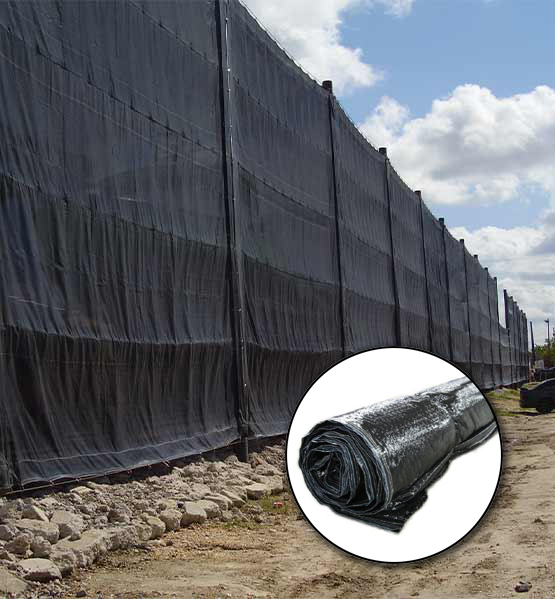
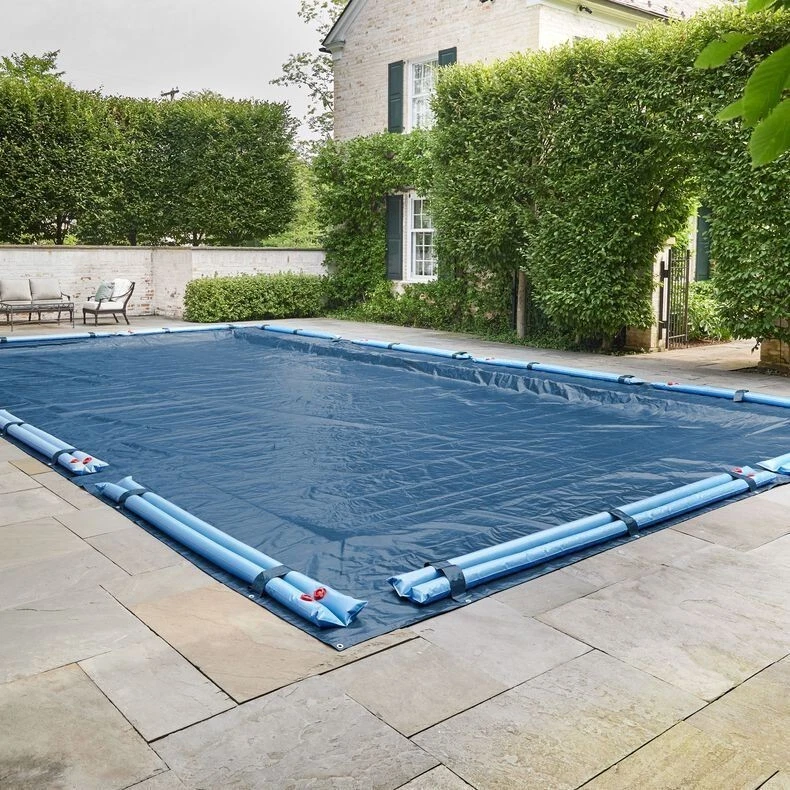
A traditional tarp cover is a sheet of plastic or vinyl held down by water bags, weights, or a cable. It is designed to keep debris out, not to support weight. When a child steps or falls onto a tarp, it sags into the water, creating a bowl-shaped depression that can trap the child beneath the material. The water is hidden, the surface looks solid from a distance, and the cover offers no structural resistance. These are exactly the conditions that make a tarp a drowning hazard.
The illusion of safety is the most dangerous part. Parents see a covered pool and assume the barrier is in place. Children see a smooth surface and may treat it as solid ground. A tarp that has collected rainwater or snow looks especially inviting to a curious child. Because the cover conceals the water, an adult may not realize a child has fallen through until it is too late. Visibility and supervision are compromised precisely when they are most needed.
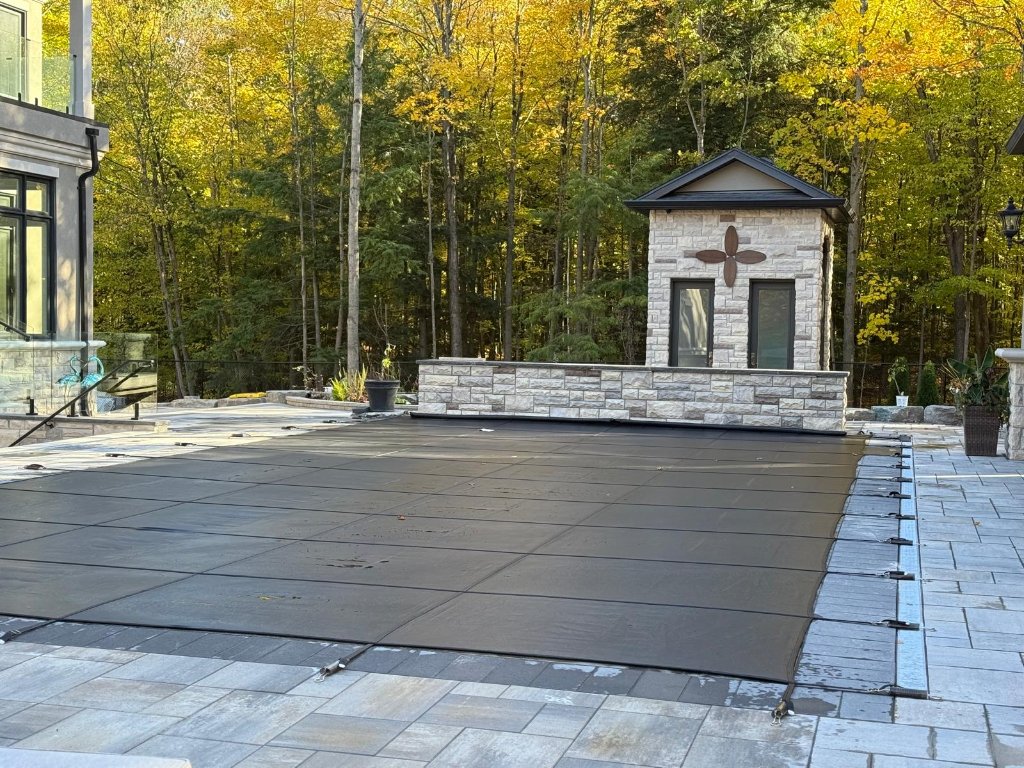
A certified safety cover is engineered to a different standard. ASTM F1346-91 requires a cover to support the weight of two adults and one child, roughly 485 pounds, without collapsing. It must prevent gaps larger than four inches that a small child could slip through. It must be removable by one adult without tools in an emergency. These requirements are verified through testing, and they are what allow a safety cover to function as a barrier rather than a decoration.
Even a certified cover is only one layer. Comprehensive protection includes a fence at least four feet high with a self-closing, self-latching gate, door and pool alarms, constant adult supervision, and CPR training for caregivers. No single device replaces supervision. The goal is redundancy: if one layer fails, another is in place. A safety cover adds a strong layer, but it does not remove the need for fencing, alarms, and attentive adults.
If you currently use a tarp, replace it before the next season. Choose a custom-fit mesh or solid safety cover with certified anchors and professional installation. If budget is a constraint, a standard mesh safety cover is far more affordable than the potential cost of a tragedy, and it can be financed or purchased in stages. Do not wait for a scare to make the change. The difference in safety is not incremental; it is fundamental.
Talk to children and guests about the cover. Explain that it is not a walking surface, even when it looks solid. Keep the pool area inaccessible when adults are not present. Remove toys and floats that might tempt children toward the water. If a child is missing, check the pool first, and check under the cover. Seconds matter, and a practiced emergency plan saves lives.
A tarp cover is not a safety device, and treating it as one puts children at risk. A certified, professionally installed safety cover, combined with fencing, alarms, supervision, and CPR, creates a genuinely safer pool. If you have a tarp, make the upgrade a priority. If you are buying a cover, insist on ASTM certification and a custom fit. The cost is modest; the protection is invaluable.
If you cannot replace the tarp immediately, add layers of protection. A fence, a locked gate, and door alarms reduce access. Never rely on the tarp itself. Supervise children constantly and remove toys that might attract them to the pool area. Talk to your insurer as well: many carriers ask about pool barriers and may offer guidance or discounts for certified covers. A tarp may not satisfy their safety requirements, and knowing their stance helps you prioritize the upgrade.
Plan the upgrade. Measure the pool, request quotes for a certified cover, and schedule installation before the next season. If budget is tight, a standard mesh cover is the most economical certified option. The investment is small compared with the risk it removes, and it turns a hidden hazard into a genuine barrier that protects the whole household.
Talk to children about pool safety in plain, calm language. Explain that a cover is not a floor and that they must never walk or play on it, even if it looks solid. Teach them to tell an adult immediately if a toy or pet goes onto the cover. Keep the pool area inaccessible when adults are not present, and remove tempting toys and floats. Practice what to do if someone is missing: check the pool first, then check under the cover. Repeat the rules regularly, because children forget. Supervision, barriers, and clear rules together are far more effective than any single measure, and they protect the whole family.
Review the rules at the start of every season and whenever a new child visits. Children forget, and guests may not know the household rules. Keep the conversation calm and factual rather than frightening. Show them where the fence, gate, and alarms are, and explain why the cover is not a play surface. Consistent reminders and clear boundaries are far more effective than a single warning, and they build habits that protect children even when adults are not watching.